
This post contains affiliate links. Learn more.
🇰🇷 Korea hits different. Most trips start and end in Seoul, but some of the best moments are out of the capital: scenic train rides, temples in the hills and towns full of traditional hanok houses. If you're planning South Korea beyond Seoul, this is a simple route that works for a first trip.
South Korea beyond Seoul: a simple route
- Seoul: palaces, markets and neighbourhoods like Bukchon and Seongsu
- Jeonju: the hanok village and some of Korea's best food (try the bibimbap here)
- Gyeongju: ancient royal tombs, temples and a slower pace
- Busan: beaches, seafood markets and the colourful Gamcheon village
The fast KTX trains link most of these in a couple of hours, and the views between cities are part of the fun.
What each stop is known for
- Seoul is the obvious start: royal palaces such as Gyeongbokgung, food markets and a very different feel from one neighbourhood to the next. Give it at least three days.
- Jeonju is famous for its hanok village, a cluster of traditional wooden houses with tiled roofs, and for being a food city. Bibimbap is the dish most associated with it.
- Gyeongju was the capital of the ancient Silla kingdom, so the town is dotted with grassy royal burial mounds and temples. It's small enough to explore slowly.
- Busan is a port city on the southeast coast, with beaches, fish markets and the hillside houses of Gamcheon painted in many colours.
Times and routes change, so check the current KTX schedule before you book.
How to get to South Korea
Most international flights land at Incheon (ICN), with an express train into Seoul. Busan (PUS) is handy if you want to fly in and out of different cities, because you won't have to double back to the capital.
How to travel between cities
- KTX high-speed trains connect Seoul with Busan and many other cities. Book ahead in busy periods and check whether a rail pass suits your plan.
- Intercity buses are comfortable and cover places the train doesn't reach well.
- Subways and city buses work in every big city, and a rechargeable transit card makes them easy.
When to go
Spring and autumn are the most popular seasons for comfortable weather and colourful scenery. Summer can be hot and humid, with a rainy spell, and winter can be cold, so pack for the season. Public holidays and school breaks get busy, so book trains and hanok stays early if you travel then.
Practical tips
- Check whether you need a K-ETA (electronic travel authorisation) for your passport before you fly, as the rules change.
- Google Maps is limited in Korea, so download Naver Map or KakaoMap.
- A T-money card works on subways and buses nationwide.
- Keep some cash for small markets, but cards are widely accepted.
Where to stay
In Seoul, Myeongdong and Hongdae are convenient first-timer bases. Spend at least one night in a hanok guesthouse in Jeonju or Seoul's Bukchon to sleep in a traditional house. In Busan, the beach areas and the city centre both work, depending on whether you want sea views or nightlife.
More Asia travel ideas
If you're building a bigger Asia trip, see my guide to a rainy day trip to Jiufen near Taipei, my story on food and traditions in Japan, and the Marina Bay Sands guide for Singapore.
Frequently asked questions
Is it worth visiting South Korea outside Seoul?
Yes. Cities like Jeonju, Gyeongju and Busan offer traditional architecture, history, food and coast that you won't get in the capital, and trains make them easy to reach.
How many days do I need for this route?
About 7 to 10 days lets you cover Seoul, Jeonju, Gyeongju and Busan without rushing. With less time, pick two or three of them.
Do I need a visa or K-ETA for South Korea?
It depends on your passport, and the rules change. Check the official Korean immigration and K-ETA pages before you fly.
Which apps should I download before going?
Naver Map or KakaoMap for directions, since Google Maps is limited, and a translation app. A local eSIM helps you stay online.
You might also like
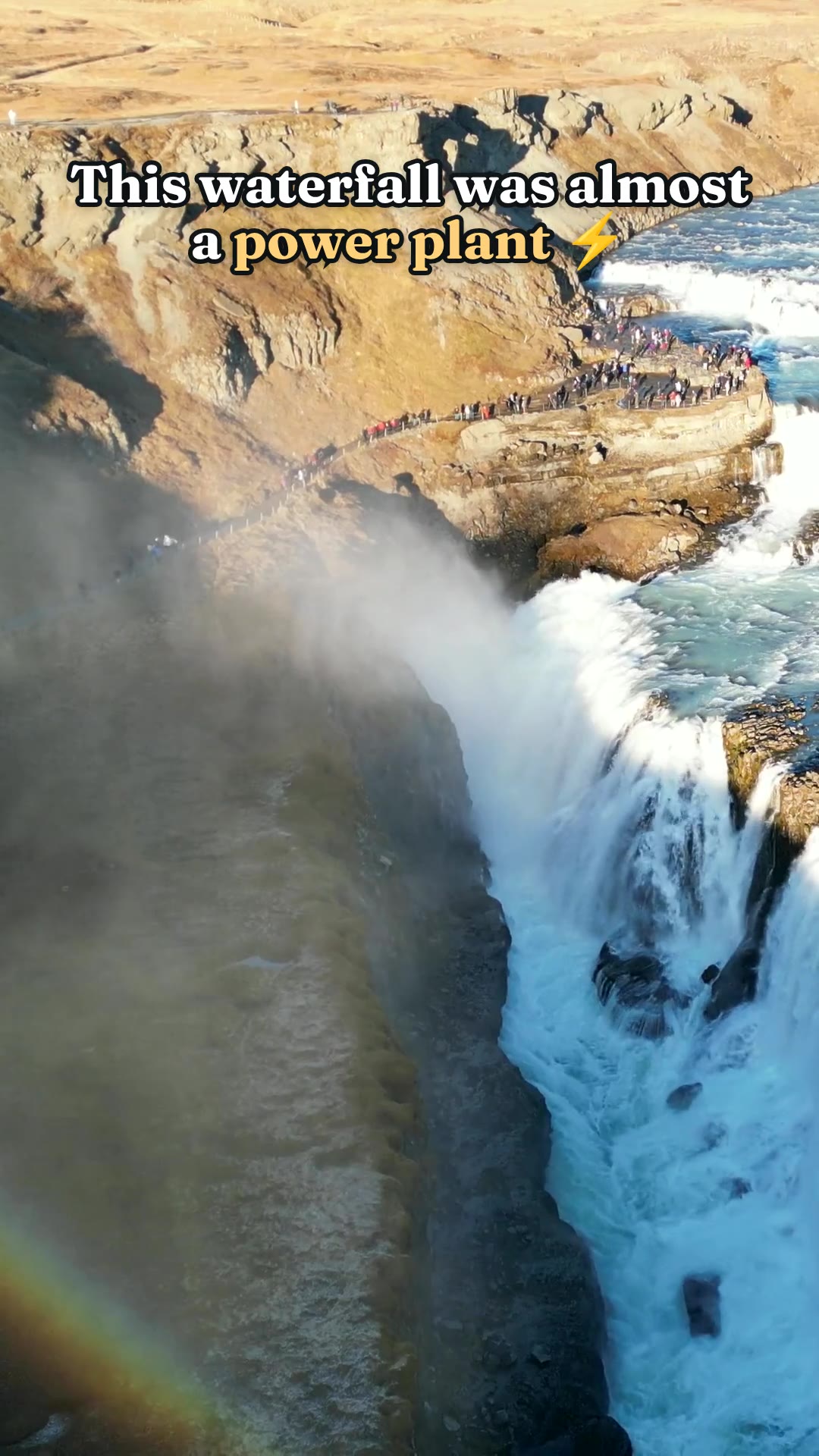
Gullfoss waterfall Iceland: the falls saved from a dam
Gullfoss waterfall in Iceland: the story of how it was almost a power plant, how to get there from Reykjavík, when to go and what else is on the Golden Circle.
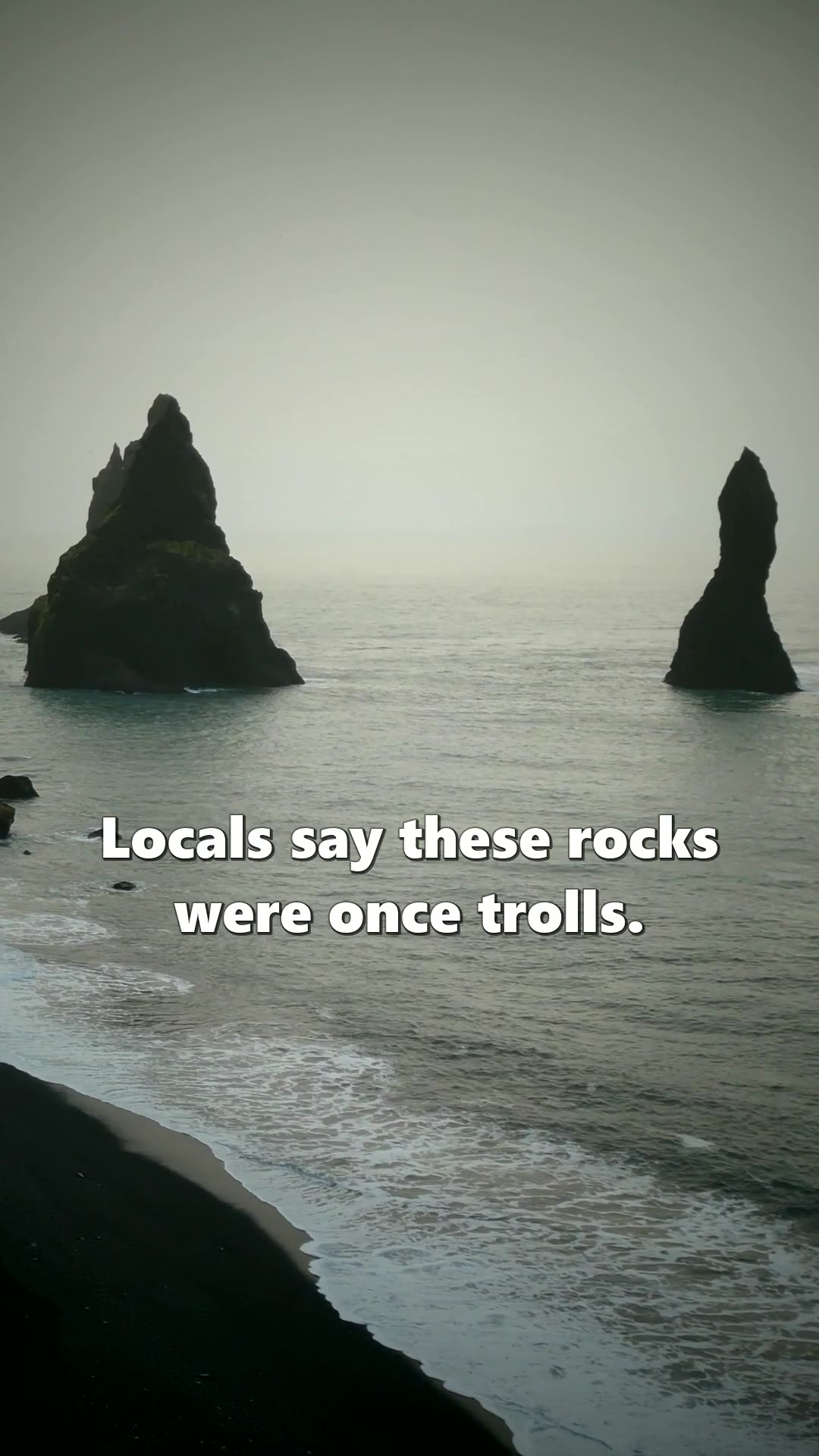
Reynisfjara black sand beach: Iceland's troll rocks, safely
Reynisfjara black sand beach in Iceland: the legend of the troll rocks, how to get there from Reykjavík, the sneaker-wave danger and the best time to go.
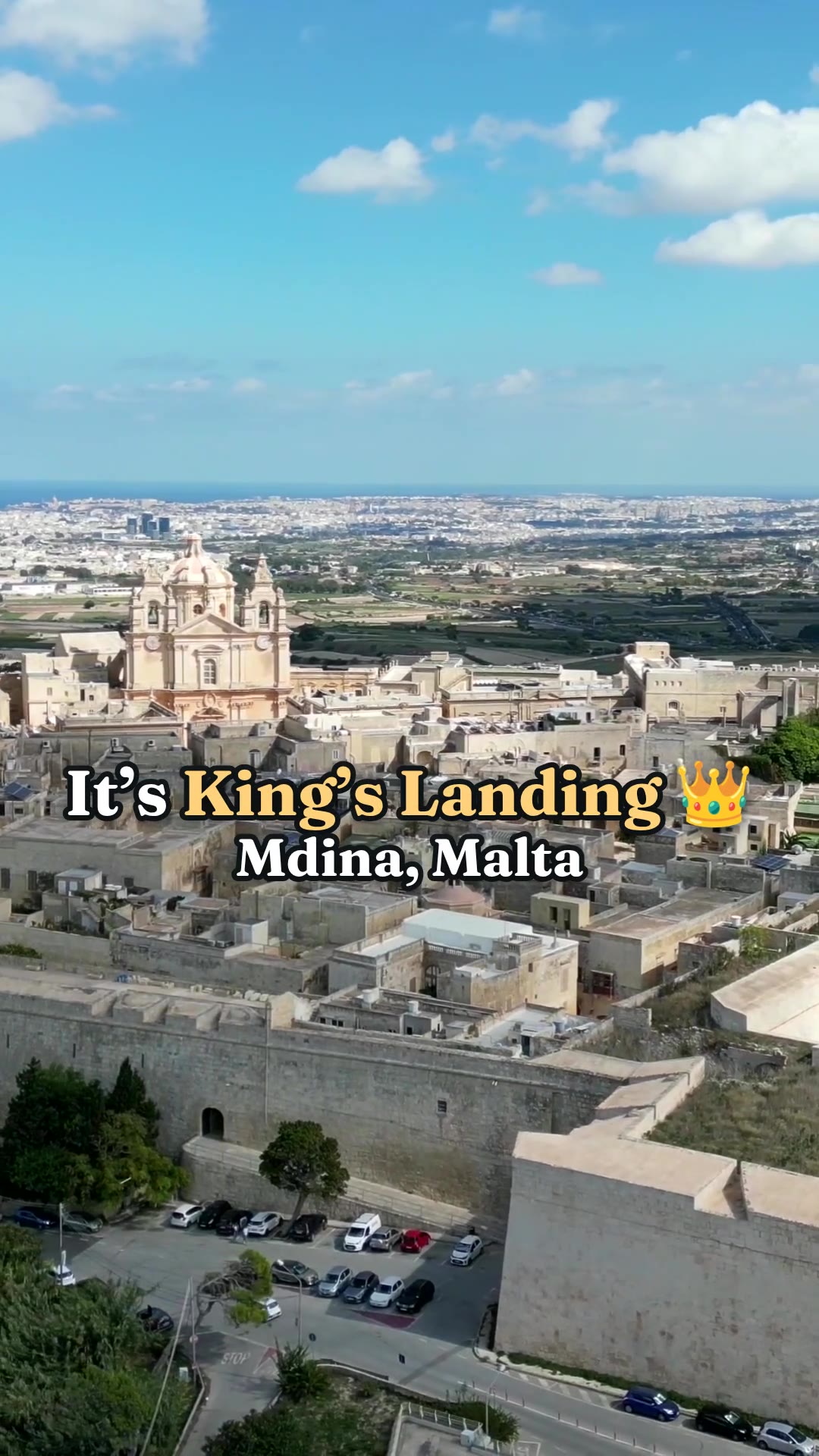
Mdina Malta Game of Thrones: visiting King's Landing in Malta
Mdina, Malta's Silent City, played King's Landing in Game of Thrones season 1. How to get there, when to go, what to see and where to stay on the island.